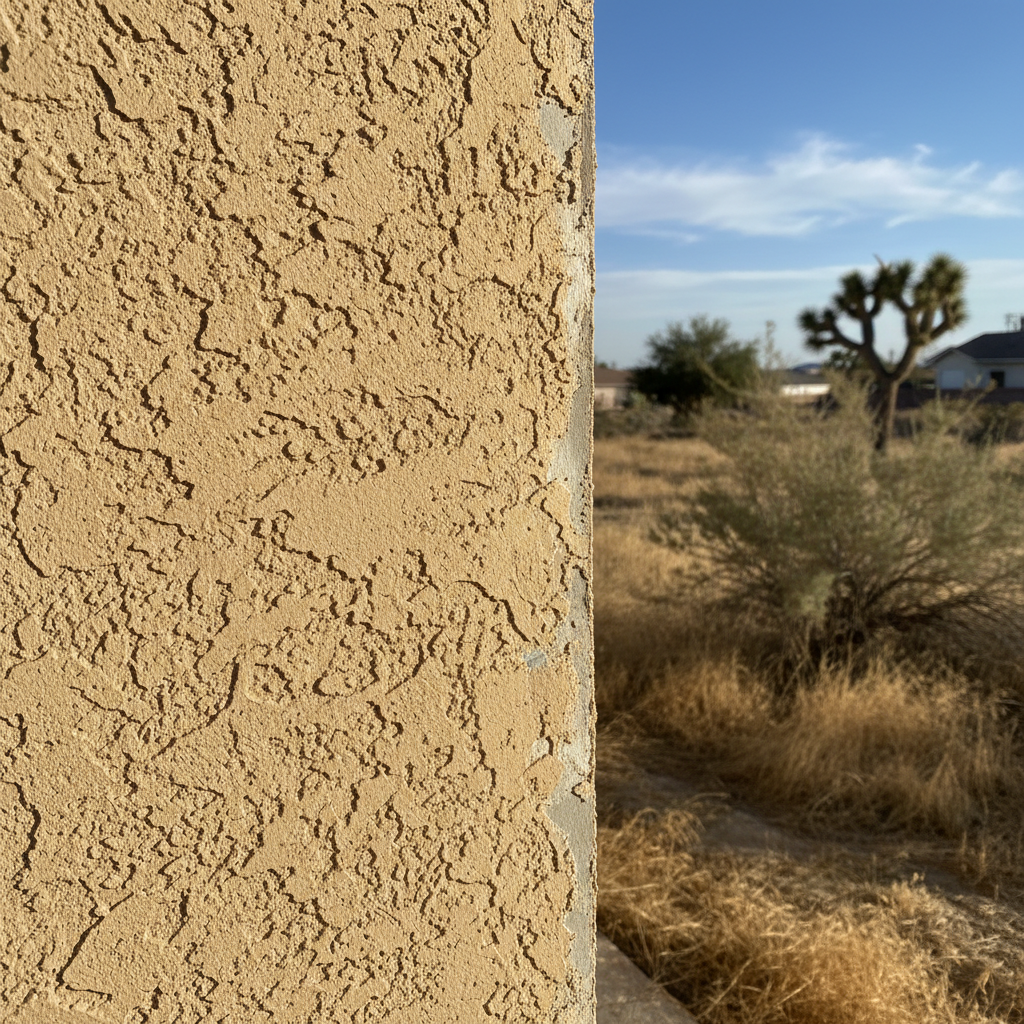
So, you're staring at your stucco and thinking, "You know, maybe it's time for a change." Or maybe you've got some damage that's just too far gone for a quick patch. Stucco removal isn't a small thing to take on, but it's definitely something a lot of homeowners consider. Let's talk about what you're really getting into here.
Why Even Bother Removing Stucco?
Most folks think about pulling off their stucco for a couple of reasons. Sometimes, it's purely about how it looks – you just want a different vibe for your home, maybe something more modern, or even going back to an older style if the stucco was added later. Other times, it's all about the damage. If you're seeing lots of cracks, water getting in and messing up what's underneath, or just really old, crumbly stucco, taking it all off might actually be cheaper in the long run than constantly fixing it.
You might also have a home where the stucco was put right over another type of siding, like old wood or even brick. Getting rid of the stucco can show off that original material, which could be a look you prefer or something you can restore. Just be ready for what you might find underneath, though – it's not always pretty, believe me.
Before You Start: The Homework
This is the part where you really need to buckle down and do your research. First off, figure out what's hiding under that stucco. Is it wood sheathing? Concrete block? Maybe some old siding? Knowing this will tell you a lot about how you'll remove it and what steps come next. You can often get a peek by carefully taking off a small piece in a spot no one really sees, like behind a downspout or under an eave. If you're not comfortable doing that, a pro can usually tell you pretty quick what's what.
Next, let's talk permits. Depending on how big the job is and what you plan to put back, you might need a permit from the City of Palmdale. Seriously, don't skip this; those fines are a real headache. Just call the building department and ask. They're usually pretty helpful folks.
Protection is a huge deal. Stucco removal is a dusty, messy job, no two ways about it. You'll need to cover up your landscaping, windows, doors, and anything else you don't want coated in fine dust and debris. Tarps, plastic sheeting, and masking tape will be your best friends. And for yourself, think safety glasses, a good dust mask (N95 or better, please!), gloves, and long sleeves. Trust me, stucco dust gets everywhere, and breathing it in is no fun at all.
The DIY Side: What You Can Actually Handle
Okay, so what parts of this can you realistically do yourself without too much trouble? If you're just taking off a small section for a repair, or you're a pretty handy person with some extra time, you can definitely tackle some of the demolition. Here's what that usually looks like:
- Small Sections: If it's just a little area, say a few square feet around a window or door that needs replacing, you can carefully chip away at it. A hammer and chisel or a small demo bar can do the trick.
- Surface Layer Only: Sometimes, you might just be removing the top finish coat, not the whole system right down to the sheathing. This isn't as intense but still makes a ton of dust.
- Debris Cleanup: Even if you hire a pro for the heavy lifting, you can often save a bit of money by hauling away the debris yourself. Rent a dumpster or plan for multiple trips to the dump. Stucco is heavy, by the way.
The main thing here is knowing your limits. If you've got a single-story home and just a small spot, go for it! But if you're talking about an entire wall, or worse, your whole house, that's a completely different ballgame.
When to Call a Pro (Which is Most of the Time)
Look, I'm a contractor, and I've seen plenty of DIY projects go south. Stucco removal, especially on a bigger scale, is one of those jobs where a professional really earns their keep. Here's why and when you should absolutely call someone like us at Palmdale Stucco & Plastering:
- Whole House or Large Sections: This is a massive undertaking. It's physically draining, takes a lot of time, and needs specialized tools like rotary hammers, demolition saws, and scaffolding. Pros have the gear and the crew to get it done efficiently and safely.
- Multi-Story Homes: Working up high is dangerous, plain and simple. Professionals have the right safety equipment, scaffolding, and insurance to handle it. Don't risk a fall, okay?
- Unknown Substrate or Extensive Damage: If you're not sure what's underneath, or if you suspect a lot of water damage, mold, or structural problems, a pro can properly check things out. They know what to look for and how to deal with unexpected issues.
- Time Constraints: Do you really want to spend weeks or months chipping away at your house? A crew can often strip a house in just a few days, depending on its size.
- Lead Paint or Asbestos Concerns: Older stucco can sometimes contain asbestos, and old paint under stucco might have lead. Messing with these materials without the right precautions is a serious health risk. A professional will know how to spot and safely handle or remove these materials, or they can recommend specialists who can.
The biggest reason to hire a pro often boils down to just not having to worry. They're insured, they know the local rules, and they'll get the job done right without you risking injury or expensive mistakes.
After the Stucco is Gone: What Happens Next?
Once that stucco is off, you'll be looking at your home's bare bones. This is your chance to really inspect everything. Check the sheathing for rot, water damage, or any pest infestations. Our dry Palmdale climate usually means less rot than coastal areas, but it's still possible, especially around windows or where sprinklers might have hit the wall for years. Fix any problems before you cover it all up again.
Then you'll need to decide on your new siding. Are you going with new stucco? Wood siding? Fiber cement? Whatever you pick, make sure it's installed correctly to protect your home. This usually means a weather-resistive barrier (WRB) like house wrap, proper flashing around windows and doors, and careful installation of the new material. Getting this part right is absolutely crucial for keeping water problems away in the future.
Stucco removal is a big job, sure, but it can totally transform your home. Just make sure you go into it with your eyes wide open, know what you're capable of, and don't hesitate to call in the experts when you need them. It'll save you a lot of headaches in the long run, trust me.