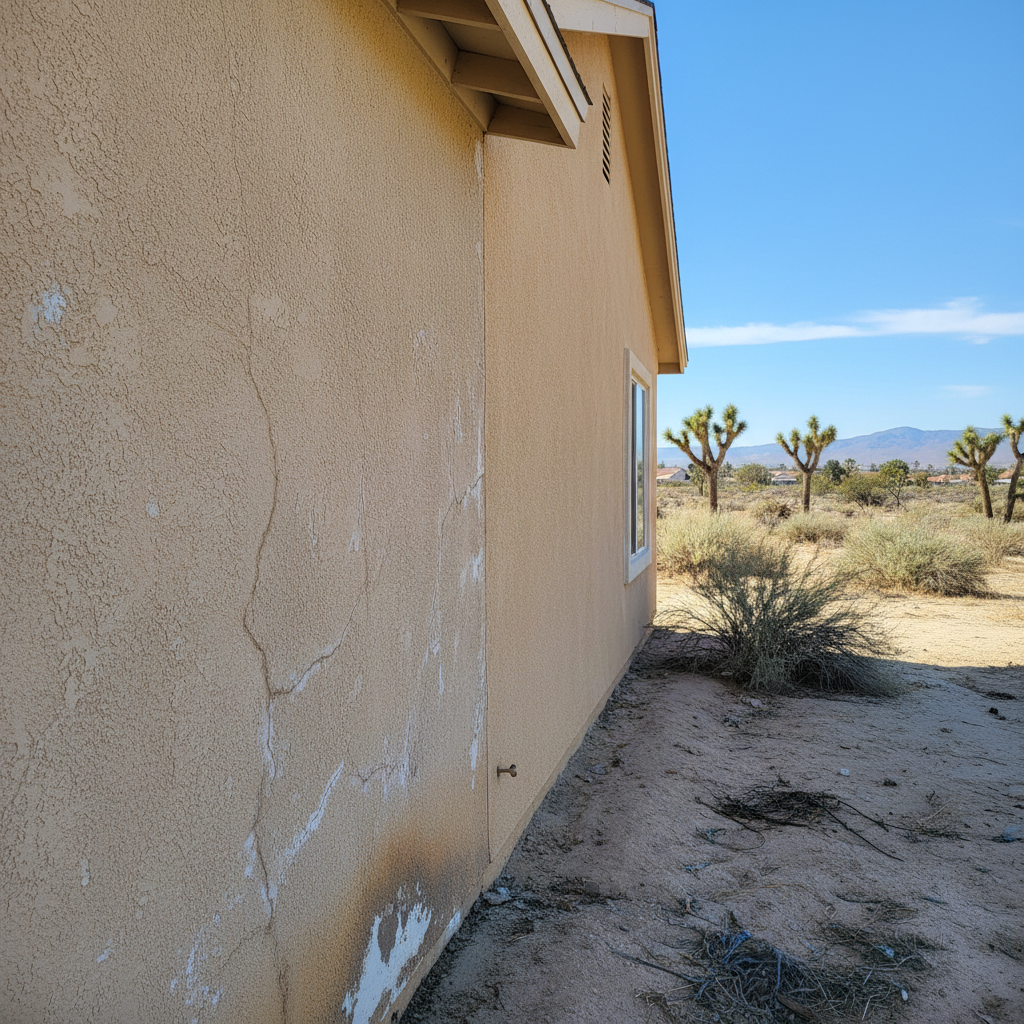
Alright, Palmdale homeowners, let's talk stucco. Sooner or later, every home around here—whether it's in Rancho Vista or near the Palmdale Regional Airport—is going to need some exterior work. Our dry desert air and those scorching summer suns really beat up stucco, causing cracks and wear over time. When your stucco has seen better days, you usually have two main choices for replacement: either put new stucco right over the old stuff, or tear it all off and start fresh. Both options have their place, but understanding the pros and cons for our specific conditions here in the Antelope Valley is super important.
Option 1: Stucco Over Existing Stucco (Re-stucco/Resurfacing)
This is often the first thing people ask about, and it makes sense. It sounds simpler, right? And sometimes, it totally is. Re-stuccoing means we're putting a new layer of stucco directly onto your existing, prepped stucco surface.
Cost
Generally speaking, putting new stucco over old is the more budget-friendly choice upfront. You save money on the labor and disposal costs that come with tearing off all that old material. Just think: no massive dumpsters full of old stucco, and less time spent on demolition. It's usually quicker too, which means fewer labor hours.
Durability
Now, here's where you really need to pay attention. Applying new stucco over old can make it more durable, essentially giving your home another protective layer. But this only works if the existing stucco is in good shape. If there are hidden problems like widespread moisture damage, mold, or if the old stucco is peeling off, putting new stucco over it is, well, like putting a band-aid on a broken leg. The new layer won't stick right, and you'll just end up with the same problems—or even worse ones—down the road. We're talking about the new layer potentially peeling and cracking because the old one couldn't hold it.
Maintenance
Maintaining a re-stuccoed home is pretty much the same as any other stucco finish. You'll want to keep it clean and fix any tiny hairline cracks as they show up to stop water from getting in. The main thing here is that the new surface should be easier to maintain, assuming we properly fixed any underlying issues during preparation. If you're going for a smoother finish, it might even collect less dust and be easier to clean than a heavily textured old surface.
Appearance
This is where re-stuccoing really shines, assuming it's done right. You get a completely fresh look. You can change the color, the texture, and totally update your home's whole vibe. Want to switch from a rough sand finish to a smoother, more modern Santa Barbara style? That's possible, though it often means we first apply a polymer-modified brown coat to smooth out the old texture. If your old stucco was painted, we'd have to sandblast it to make sure the new stucco sticks properly; otherwise, it'll just peel off with the old paint.
Option 2: Full Stucco Removal and Replacement (Remediation)
This is the big job. It means we're stripping your home right down to its framework—or at least to the sheathing—before we build a brand new stucco system from scratch.
Cost
Full removal and replacement is definitely the more expensive option upfront. You're paying for demolition, getting rid of all the debris, and then the complete installation of a new multi-layer stucco system. That includes new lath, scratch coat, brown coat, and the final finish coat. Costs can run from $8 to $21 per square foot, and for an entire house, we're talking anywhere from $24,000 to $63,000. But sometimes, it's the only real way to fix things.
Durability
When you opt for a full replacement, you're getting the most durable and longest-lasting solution, especially if there are significant problems hidden away. This approach lets us inspect and repair any unseen water damage, mold, or structural issues that might be hiding under the old stucco. We can install a proper weather-resistive barrier and drainage plane, which is absolutely critical for preventing future moisture problems, especially with our occasional heavy rains. It's all about building it correctly from the ground up, making sure your home is sealed and protected for decades to come.
Maintenance
With a brand-new stucco system, your maintenance will be pretty minimal for a long time. You'll still want to do regular inspections and cleaning, of course, but you'll have that solid feeling knowing the entire system is sound. A properly installed stucco system can easily last 50-70 years if you take good care of it.
Appearance
Just like re-stuccoing, a full replacement gives you a completely fresh canvas. You can pick any color, texture, or finish you want, knowing it's going onto a perfect foundation. The finish will look uniform and flawless, with none of the imperfections from the old layers showing through.
My Recommendation for Palmdale Homeowners
Here's the scoop: if your existing stucco only has minor, superficial hairline cracks (we're talking less than 1/16-inch wide), no signs of water getting in or mold, and it's really well-bonded to the wall, then re-stuccoing can be a smart, cost-effective way to refresh your home's look. We'll make sure the surface is prepped just right, usually with a good power wash and a bonding agent.
However, if you've got lots of cracks, bulging, soft spots, visible water stains, or any hunch that there's moisture damage or mold behind the walls, then you absolutely need to think about full stucco removal and replacement. Our Palmdale climate, with its big temperature swings, can make stucco brittle over time. This leads to serious cracking that lets water right in. Covering up these issues will only cause bigger, more expensive headaches later on—like rot in your sheathing or framing. It's a bigger investment, yes, but it's the only way to get a truly durable, long-lasting solution that protects your home and gives you genuine peace of mind.
Before you make a decision, get a professional assessment. We'll come out, take a good, honest look, and tell you exactly what we find. We're Palmdale Stucco & Plastering, and we're here to help you make the best choice for your home, just like we would for our own neighbors.