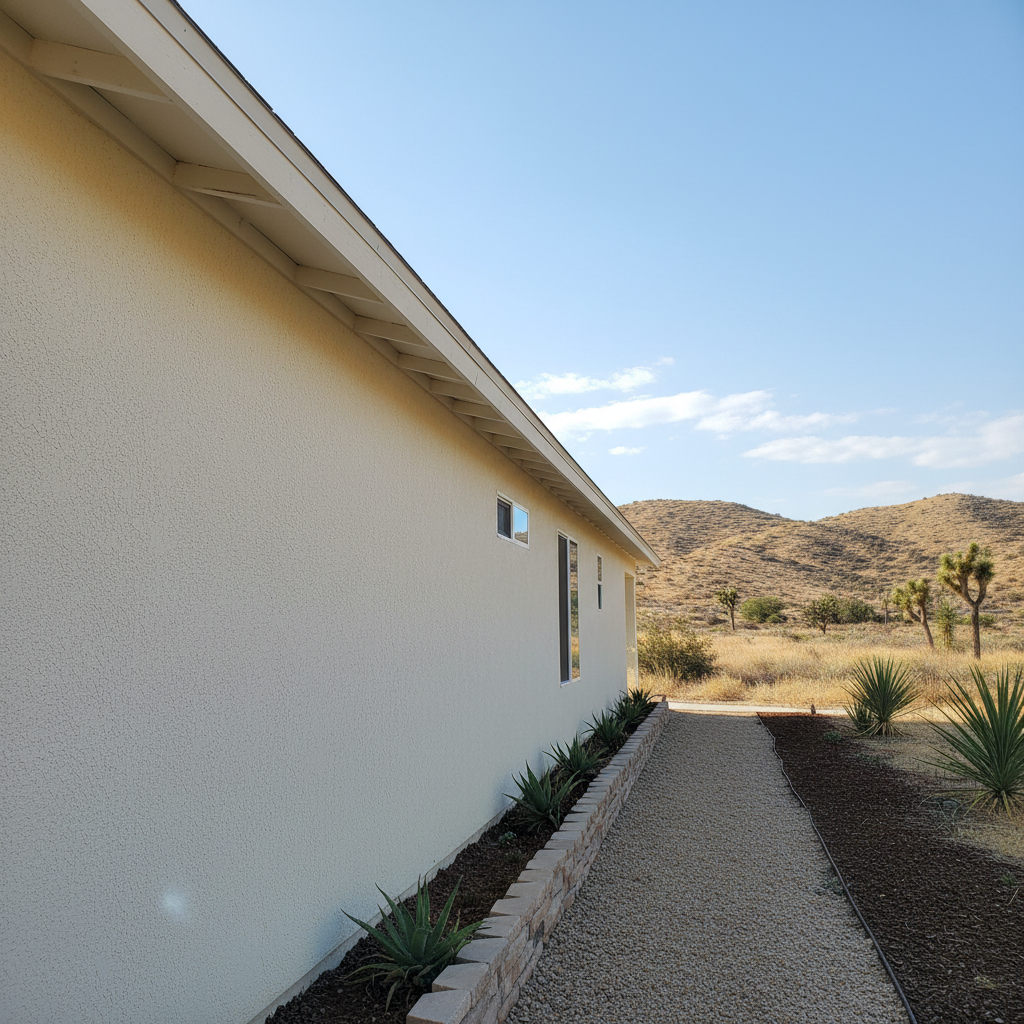
You've got stucco on your Palmdale home, and that's a smart choice for our climate. It's tough, looks good, and when it's done right, it can last a very long time. But 'long time' doesn't mean 'forever without a thought.' Just like anything else on your house, stucco needs a little attention to really go the distance. I've seen plenty of homes around here, from the newer builds out by the 14 freeway to the older places in the heart of town, where a little proactive care could've saved homeowners a lot of headaches and money down the road. Believe me, a stitch in time saves nine, even with stucco.
Extending Your Stucco's Life
The best way to make your stucco last is pretty simple: keep it clean and keep it dry. That sounds obvious, right? But you'd be surprised how often people overlook these basics. Dust, dirt, and even pollution from the freeway can build up on your walls. This isn't just about looks; over time, these particles can hold moisture, encouraging mildew or even breaking down the finish.
A gentle wash once a year is usually enough. Use a garden hose, not a high-pressure washer. Pressure washers can damage the stucco surface, forcing water into places it shouldn't go, and that's a recipe for trouble. If you've got stubborn spots, a soft brush and a mild detergent (like dish soap) mixed with water will do the trick. Just rinse thoroughly afterwards. Also, make sure your sprinklers aren't constantly hitting the stucco. That constant wetting and drying cycle isn't good for any exterior finish.
Regular Maintenance Checks
Think of this as your stucco's annual physical. You don't need to be a pro to spot most issues. Walk around your house, really look at the walls. What are you looking for?
- Cracks: Hairline cracks are common and usually not a huge deal. They're often just surface-level. But bigger cracks, especially those wider than a credit card or running in a stair-step pattern, need attention.
- Discoloration: Dark streaks, green patches, or areas that look perpetually damp can indicate moisture problems or mildew.
- Bulges or Soft Spots: Press gently on the stucco in different areas. If it feels soft, spongy, or you see any bulges, that's a red flag.
- Gaps around openings: Check where the stucco meets windows, doors, and utility penetrations (like hose bibs or electrical conduits). The caulk or sealant here is crucial for keeping water out. If it's cracked, missing, or pulling away, you need to re-seal it.
- Drainage: Look at your gutters and downspouts. Are they directing water away from your foundation and walls? Pooling water near the house is bad news for stucco, and for your foundation too.
Our dry Palmdale climate means we don't deal with constant rain, but when we do get a storm, it can be intense. And the heat here can really bake out sealants, making them brittle and ineffective faster than in milder climates. That's why those checks around windows and doors are so important.
Warning Signs You Can't Ignore
Some issues are more urgent than others. If you see any of these, don't put off getting it looked at:
- Large, expanding cracks: Especially if they're letting water in. You might even see efflorescence, which is a white, powdery substance left behind when water evaporates from masonry.
- Stucco detaching from the wall: If you tap on it and it sounds hollow or you can see it pulling away, that's a serious structural issue.
- Water stains inside your home: This is the ultimate warning sign. If water is getting through your stucco and into your interior walls, you've got a significant problem that needs immediate attention.
- Persistent mold or mildew: If you clean it and it comes right back, there's likely a moisture source that needs to be addressed.
When to Call a Professional
You can handle the cleaning and basic visual inspections. But for anything beyond that, you really should call in someone who knows stucco. Don't try to patch large cracks yourself with just any old caulk; you could be doing more harm than good. A professional can properly diagnose the cause of the issue, whether it's a structural problem, a flashing failure, or just a bad patch job from years ago. They'll know the right materials and techniques to make a repair that lasts and blends in.
Here at Palmdale Stucco & Plastering, we've seen it all. We can tell you what's a minor fix and what's a bigger concern. Getting an expert opinion early can save you from a small problem turning into a major, expensive repair. Don't wait until you've got water dripping down your interior walls. A little preventative care and knowing when to call for help will keep your stucco looking great and protecting your home for decades to come.