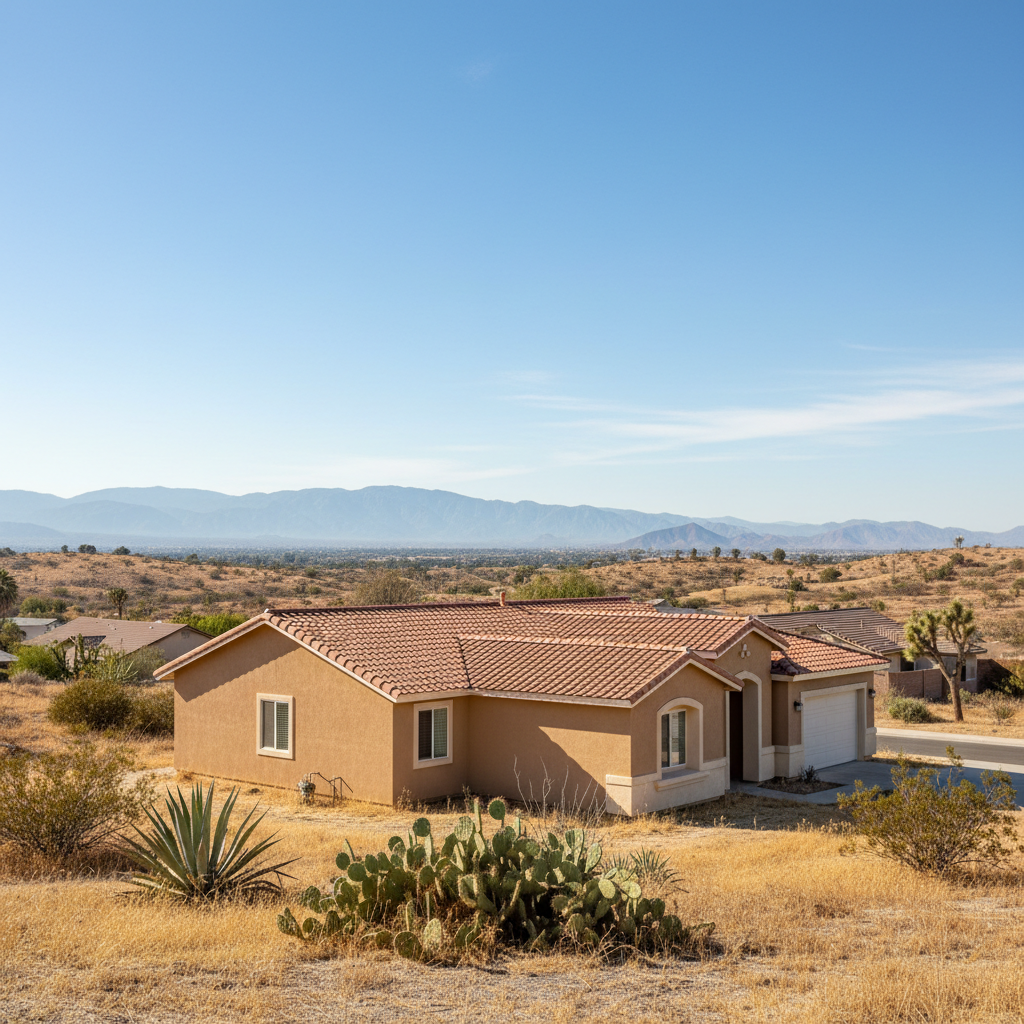
You've got stucco on your Palmdale home, and you want it to last. Smart move. Our high desert climate, with its scorching summers and surprisingly chilly winters, really puts stucco through its paces. It's not just about getting the job done; it's about getting it done right, at the right time, and then keeping it in good shape.
Understanding Palmdale's Climate & Your Stucco
Here in Palmdale, we're dealing with some pretty unique conditions. We get those intense UV rays all summer long, just baking everything. Then, winter rolls around, bringing freezing temperatures, especially overnight, and sometimes even a little snow or hard frosts. This constant expansion and contraction, combined with the dry air, can be brutal on stucco if it's not properly maintained or installed.
The biggest enemy for stucco, besides a bad installation job, is moisture getting in. Cracks, even tiny hairline ones, can let water sneak in. When that water freezes, it expands, making those cracks bigger. It's a nasty cycle. Our dry climate helps, sure, but when we do get rain, or if you've got sprinklers hitting your walls, that water can cause real problems.
When's the Best Time for Stucco Work?
This is one of the most common questions I get asked. There's definitely a sweet spot for applying and repairing stucco, and it usually isn't the dead of summer or the middle of winter.
- Spring (March-May): This is often ideal. Temperatures are mild—not too hot, not too cold. The stucco can cure properly without drying out too fast or freezing. We're usually past the worst of the winter cold, and that extreme summer heat hasn't kicked in yet.
- Fall (September-November): Another great window. Like spring, the temperatures are moderate. You avoid the summer heat, and you're getting the work done before the really cold nights set in. This gives the stucco plenty of time to cure before winter hits.
- Summer (June-August): We can still do stucco work in summer, but it needs more care. High temperatures can make stucco dry too quickly, which can lead to cracking or a weaker bond. We often have to work earlier in the morning or later in the afternoon to avoid the peak heat. It also means we're misting it more frequently to ensure it cures right. If you're in an older neighborhood, say, around Palmdale Boulevard, where homes might have older stucco, summer repairs can be tricky if you're not careful about moisture.
- Winter (December-February): This is generally the least ideal time. Freezing temperatures, especially overnight, can ruin fresh stucco. The water in the mix can freeze before the stucco sets, compromising its strength and durability. If it's absolutely necessary, we use special additives and protective measures, but it's best to avoid it if you can.
Ultimately, what really matters are the conditions during application and the curing period. We need temperatures above freezing, ideally between 40-90 degrees Fahrenheit, and not too much direct, scorching sun right after we've applied it.
Year-Round Protection for Your Stucco Investment
You've invested in your home, and that stucco is a big part of its protection and curb appeal. Here's how you can keep it looking good and performing well, no matter the season:
- Inspect Regularly: Walk around your house a few times a year. Look for cracks, especially around windows, doors, and where different materials meet. Check for any signs of water staining or discoloration. After a big rain, see if you notice any spots that stay wet longer than others.
- Address Cracks Promptly: Don't wait. Even small hairline cracks can become big problems. They're entry points for water, after all. A simple patch now can save you a much bigger repair later.
- Manage Water: Make sure your sprinklers aren't constantly hitting your stucco walls. Direct downspouts away from your foundation. Check your roof's flashing to ensure water isn't running down the walls. Water is stucco's enemy.
- Keep it Clean: Dirt, dust, and even algae can build up. A gentle wash with a hose and a soft brush can do wonders. Avoid high-pressure washers, though, as they can damage the stucco surface.
- Consider a Good Paint/Sealant: A quality elastomeric paint or sealant can add an extra layer of protection against the elements, especially those intense Palmdale sun rays and the occasional rain. It'll help bridge small cracks and keep moisture out.
Taking care of your stucco isn't a one-and-done deal. It's ongoing maintenance, just like anything else on your home. If you've got questions about your stucco, or you're seeing something that doesn't look right, don't hesitate to give us a call at Palmdale Stucco & Plastering. We're here to help you protect your home.