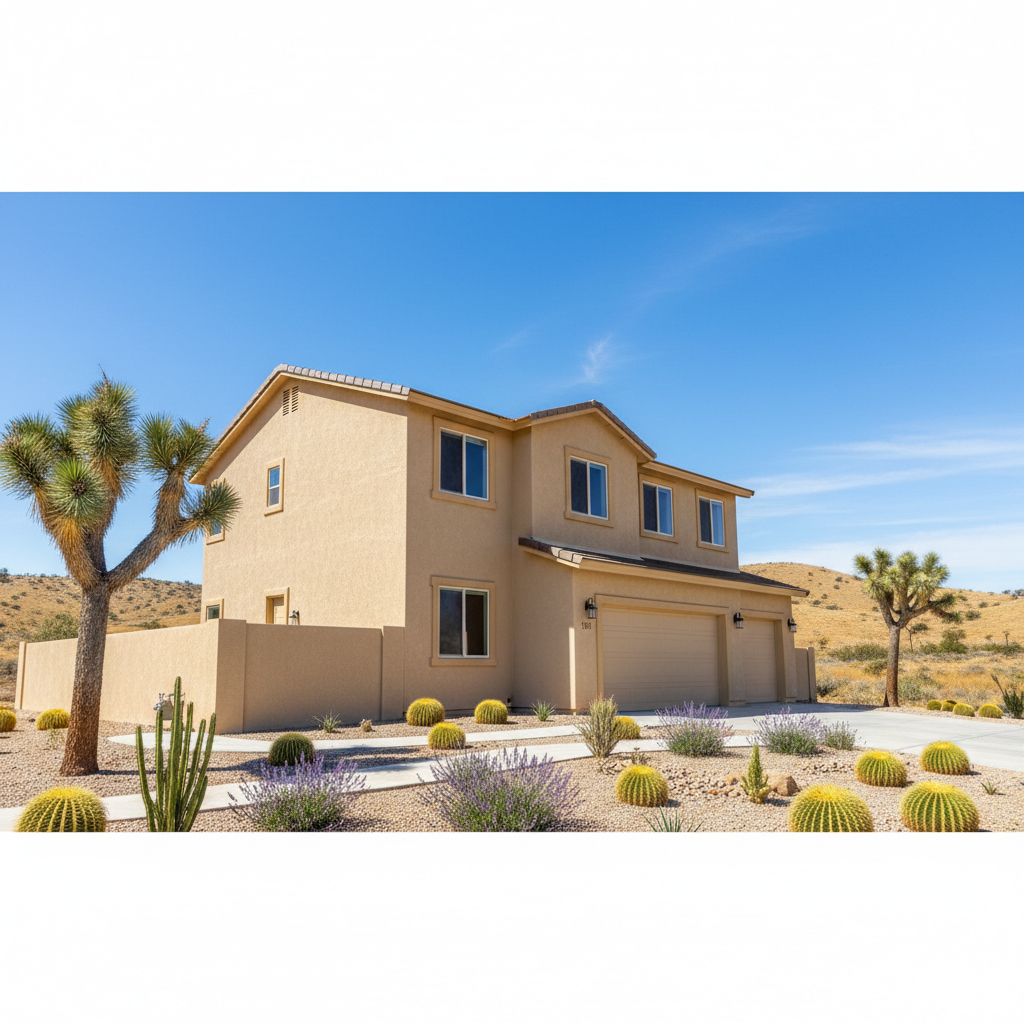
Alright, let's talk about commercial stucco projects right here in Palmdale. I've seen plenty of businesses all over the Antelope Valley put serious money into their properties. When it comes to stucco, you really want to get it right. This isn't some weekend project you can just knock out yourself; it's a big job that needs careful planning. Otherwise, you'll end up with headaches and expensive mistakes later on.
Getting a Handle on the Project Timeline
A commercial stucco project isn't a quick thing. You're looking at something that takes multiple weeks, sometimes even months, depending on how big and complicated your building is. Lots of pieces have to move, and each one takes its own sweet time.
- First Chat & Design (2-4 weeks): This is when you meet with contractors, share your vision, and get some estimates. Then your architect and design team will turn those ideas into detailed drawings.
- Permits (6-16 weeks, sometimes even longer): Honestly, this part is often the least predictable. Every city's building department works a bit differently, and getting permits approved just takes time. Don't ever underestimate this phase; trying to rush it can cause huge delays later on. Here in Palmdale, for example, you'll need really accurate plans, put together by someone qualified, showing everything from site plans to building elevations and all the materials.
- Getting Materials (Varies): Once those permits are finally in hand, it's time to order the materials. Supply chain issues can definitely pop up, so a good contractor will build that into the schedule.
- Prepping the Surface & Putting Up the Lath (1-3 days for prep, then the lath): This step is super important. We're talking about cleaning the existing surface, fixing any repairs that are needed, and then installing the lath — that's the wire mesh and paper that holds the stucco. If there's any dry rot or structural problems, you absolutely have to deal with those before any stucco goes on.
- Applying the Stucco (Multiple coats, with drying time): Stucco isn't just one layer, you know. It usually goes on in three coats: a scratch coat, a brown coat, and then the finish coat. Each one needs proper curing time, typically 48 hours or more, to make sure it's durable and doesn't crack. This isn't something you can rush, especially with our Palmdale heat; proper curing is absolutely vital.
- Final Inspections & Walk-through (1-2 weeks): After the stucco is all done, the city will come out for final inspections to make sure everything meets code. Then, you'll do a final walk-through with your contractor to confirm you're happy with how it all turned out.
What to Expect While the Work is Happening
Expect a construction site, plain and simple. There will be scaffolding, materials, and equipment everywhere. It'll be noisy, and there will be dust. A good contractor will try their best to keep disruptions to your business operations to a minimum, but some level of inconvenience is just going to happen. They really should protect your landscaping and other features on your property, though.
Communication is absolutely key. You should have one clear person to talk to and get regular updates on how things are coming along. Unexpected issues can totally pop up — that's just how construction goes. How your contractor handles those problems, tells you about them, and suggests solutions really shows how professional they are.
Getting Your Commercial Property Ready
Prepping your property beforehand will definitely help things move more smoothly and quickly:
- Clear the Area: Move any outdoor furniture, signs, or equipment away from the building. Cover plants and shrubs to protect your landscaping.
- Access: Make sure the crew can easily get to all parts of the building where they'll be working. This might mean coordinating parking or deliveries.
- Tell Tenants/Employees: If you have tenants or employees, let them know about the project timeline, the noise they might hear, and any temporary changes to access.
- Look Over the Plans: Go through the plans one last time with your contractor. This ensures everyone is on the same page about colors, textures, and any special details.
- Check the Old Stucco: Before any new stucco goes on, take a good look at what's already there. Are there cracks, stains, or spots where stucco has fallen off? You'll need to fix these issues first.
Questions to Ask Before You Sign That Contract
This is where you really protect your investment. Don't be shy; ask every single question you have. Here are some crucial ones:
- Are you licensed and insured? This isn't optional. Ask for proof of their general liability insurance and worker's compensation. Double-check their license with the Contractors State License Board (CSLB).
- How long have you specifically been doing commercial stucco work? Experience really counts, especially with the unique demands of commercial projects and California's building codes.
- Can I see other commercial projects you've finished that are similar to mine? Check out their portfolio. Ask for references, especially from jobs they did a few years ago — that way you can see how their work holds up over time.
- What exact materials and methods will you use, and why? A good contractor, like us at Palmdale Stucco & Plastering, can explain their choices and how they make sure things last and perform well.
- What's your process for getting the surface ready and dealing with existing problems? This is super important for stopping future issues, like water getting in.
- How do you handle permits and inspections? Your contractor should be taking care of all this — scheduling inspections and making sure everything meets code.
- What's your communication plan during the project? You need to know who to contact and how often you'll get updates.
- What potential extra costs might come up, and how do you handle them? Get this in writing. You definitely don't want any surprise charges.
- What kind of warranty do you offer on your stucco work? Get the details in writing: what's covered, what's not, and for how long.
- How do you deal with delays caused by weather or material shortages? Being upfront about this is really important.
Taking the time to plan and ask the right questions will save you a lot of heartache and ensure your commercial stucco project looks fantastic and lasts for years. It's all about making a smart investment in your property, isn't it?